
One flame, since 1907.
Scouting tradition traces the ash-passing custom to the first Scout camp at Brownsea Island in 1907. Surviving lineage lists document many branches of that story. Scout Ashes preserves each recorded link, including the measure I carried from the 16th World Scout Jamboree in Sydney, Australia.
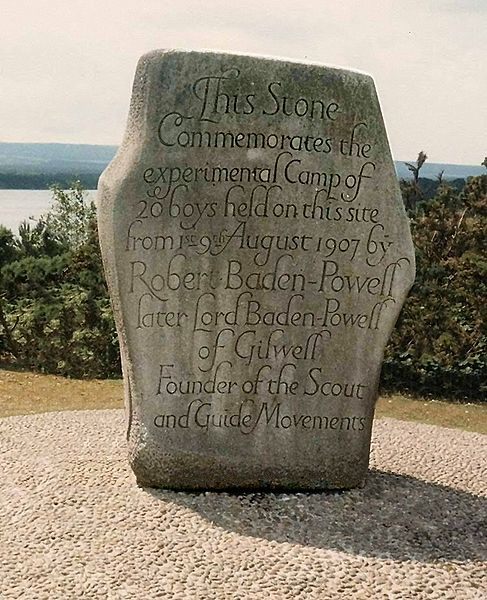
A pinch of ash, passed hand to hand.
The custom is simple enough to teach to anyone and old enough to outlive all of us. When a Campfire has gone cold, a scout kneels and saves a small amount of its ash. It travels in a tin, a film canister, a vial on a lanyard until the next fire is laid. As the new fire catches, the old ash is added, and sometimes the names of the fires it has known are read aloud.
Do that once and you have a nice gesture. Do it for a century, across tens of thousands of scouts, and you have something else: a single flame, materially present in fires on every continent, connecting children who will never meet across decades they will now share.
For most of that century the chain lived on handwritten lists of dates and places passed along with the ash, growing longer and more fragile with every fire. Scout Ashes exists so the chain no longer depends on paper surviving a tent flood. The ceremony stays exactly as it was. The record becomes permanent. The connections last a lifetime.
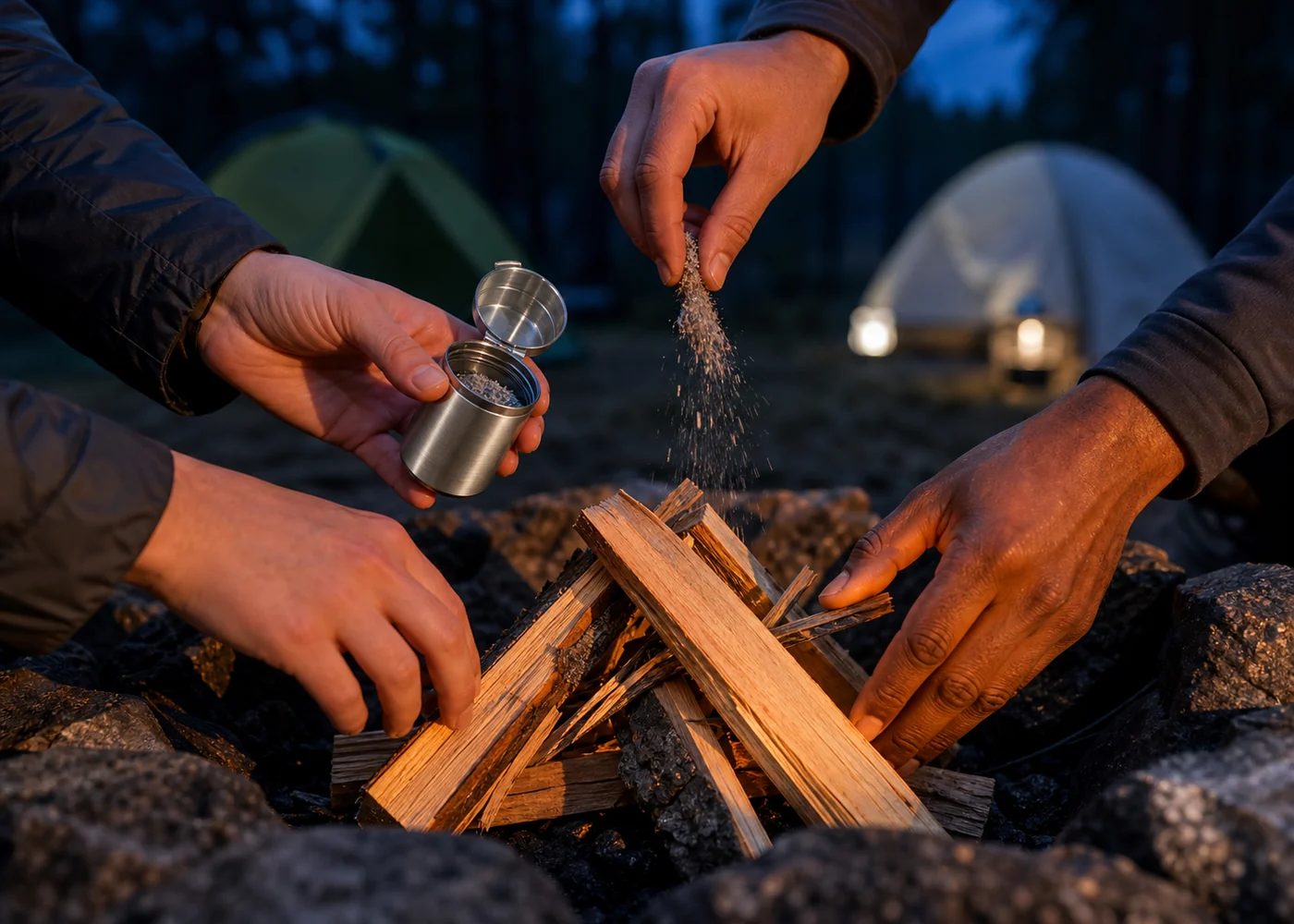
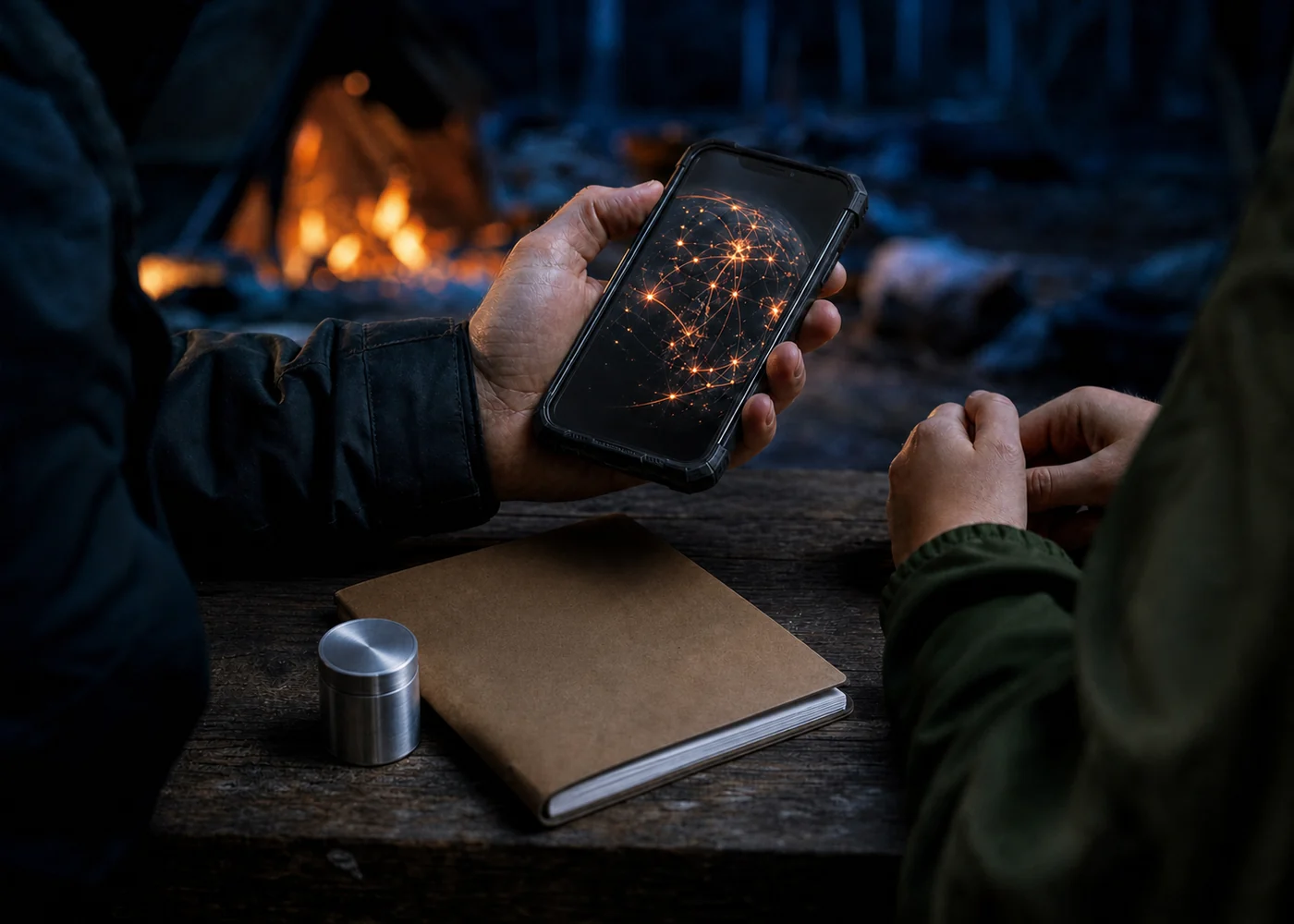
How the chain grew.
Brownsea Island
Baden-Powell's experimental camp ends with a fire on the beach. Its ashes are saved.
The first World Jamboree
Scouts from 34 nations carry ash home from Olympia, London. The chain crosses its first oceans.
The Jubilee Jamboree
Fifty years on, ashes from hundreds of national chains mingle at Sutton Park and scatter out again.
The centenary fire
A fire on Brownsea Island receives ash descended from its own, the chain returns home.
The living record
Scout Ashes carries the lineage forward: every fire logged, every link verifiable, nothing lost.
How it's done.
There is no badge for this and no official rulebook; only the way it has always been done, passed on like the ash itself.
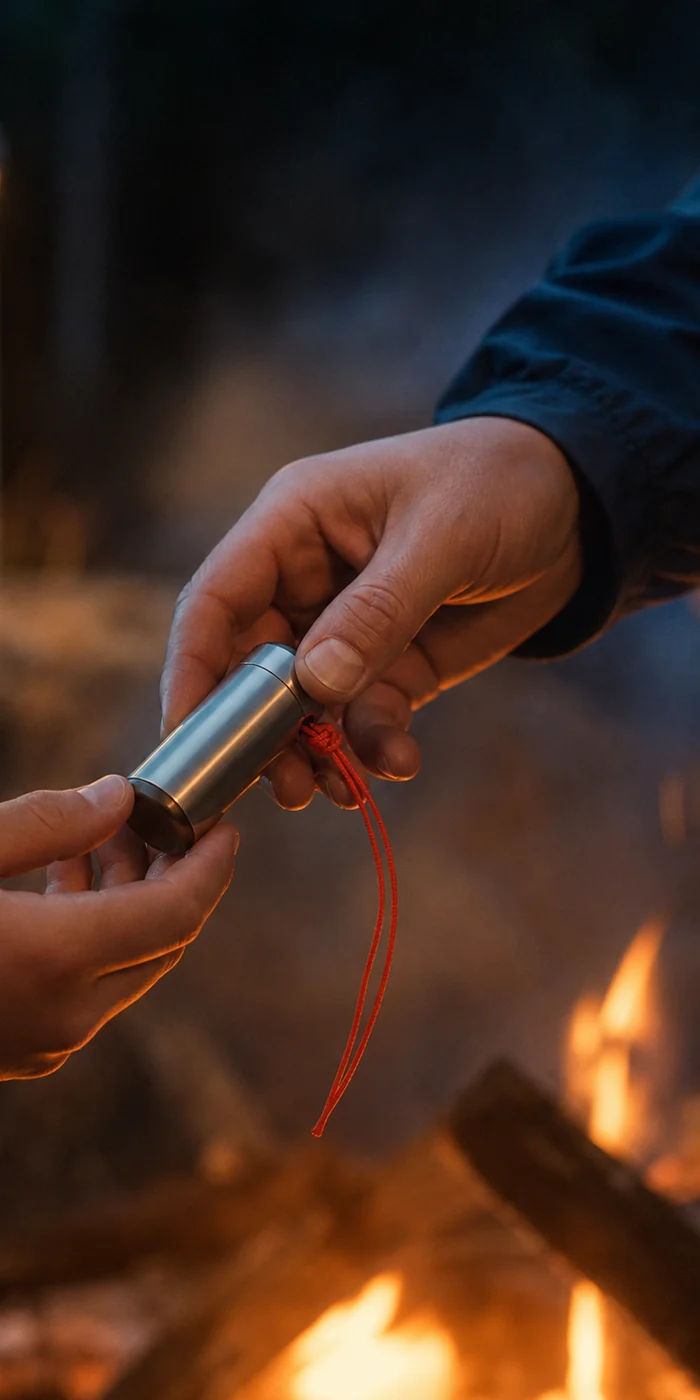
Collect
Before the fire dies, save a small measure of ash. Any container that closes will do, tradition favours a tin or film canister if you're old enough to remeber those.
Keep
Carry it with you. The ash waits as long as it needs to; some have waited years between fires.
Add
As your next fire catches, add the ash. If others have brought ash, all of it goes in together the chains merge.
Speak
Read the lineage aloud: where the ash has been, and when. Then log the fire, so the chain remembers.
Some keepers wrote it all down.
Century-long ash records, preserved fire by fire, including the chain whose ashes flew to the Moon on Apollo 15.